Samarkand 28.10.2025 The Opening of the 43rd Session of the General Conference of UNESCO will take place on October 30.
UNESCO will conduct its 43rd General Conference in Samarkand, Uzbekistan, in 2025 — the first time in 40 years the gathering is held outside Paris. The move, adopted unanimously by all 194 member states at the 42nd session, is widely seen as recognition of Uzbekistan’s recent cultural and educational reforms.
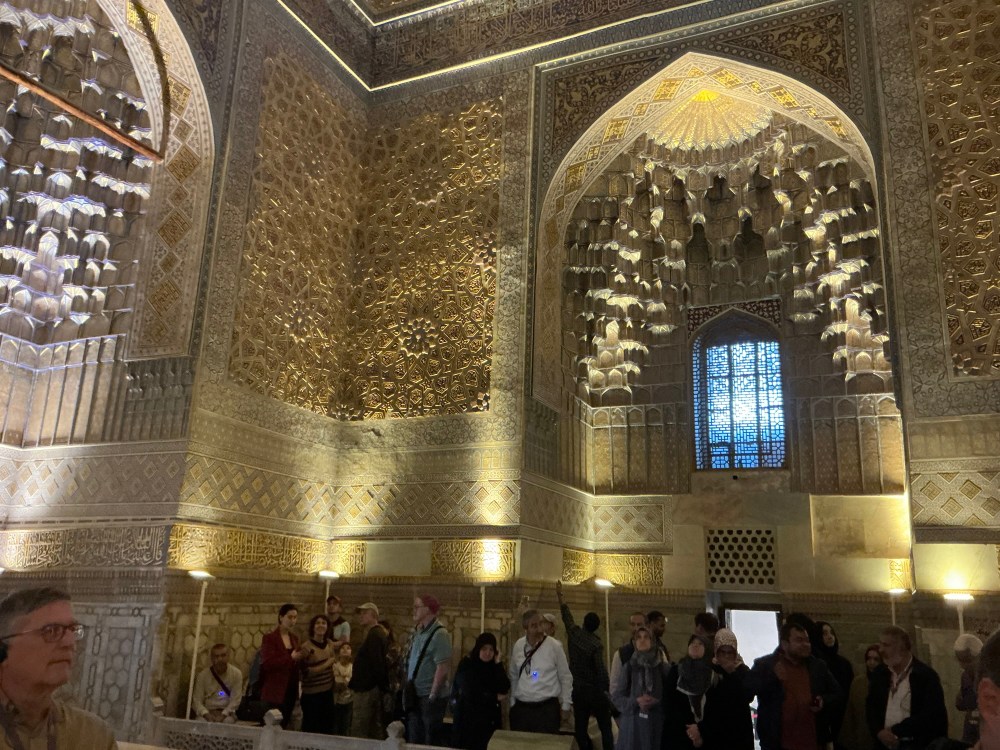
Uzbekistan has set up an Organising Committee and plans upgrades around logistics, visas, transport and medical services. Authorities expect over 5,000 delegates. Alongside the plenary, Samarkand will host the 14th UNESCO Youth Forum and the 12th Interregional Meeting of National Commissions.
Conference side events will focus on AI in museums, gender equality, and women’s empowerment. A decision on a UNESCO Category 2 Centre for Early Childhood Education in Tashkent is also anticipated.
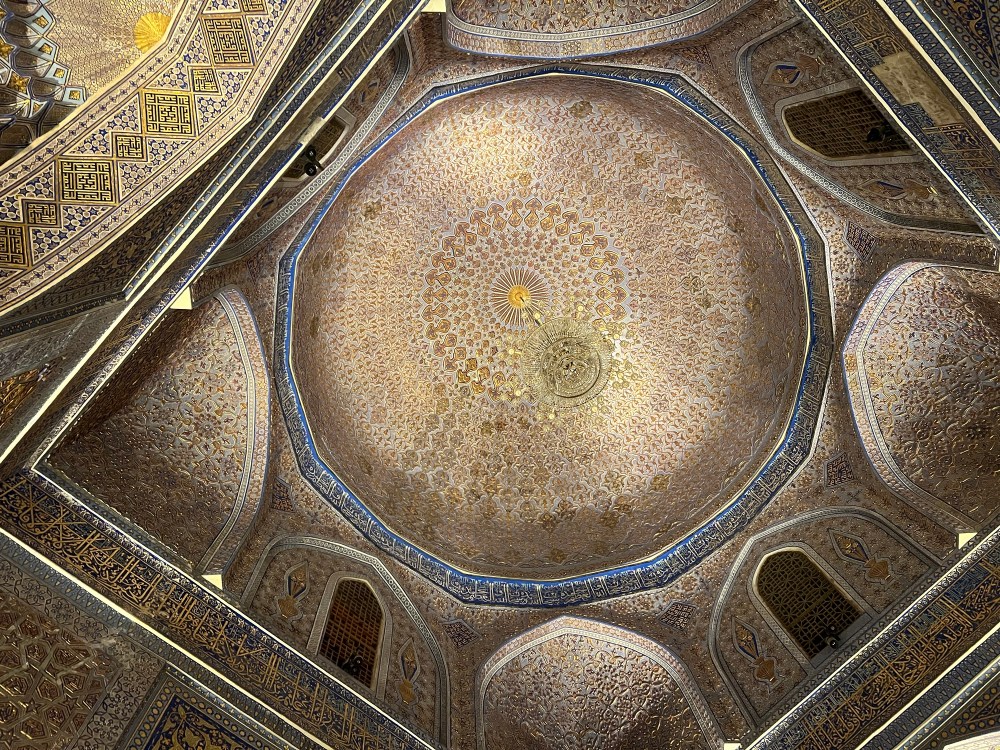
President Shavkat Mirziyoyev thanked partners for backing Samarkand, calling the event a chance to showcase the «civilizational potential» of Uzbekistan and Central Asia. UNESCO officials have praised Uzbekistan’s cooperation, particularly in education, heritage preservation and science.
Uzbekistan’s UNESCO profile includes seven World Heritage sites: Khiva, Bukhara, Shahrisabz, Samarkand, Western Tian Shan, Zarafshan–Karakum Corridor, Kyzylkum Desert, and 16 elements on the Intangible Cultural Heritage list, with further nominations pending. Recent entries to Memory of the World include the Mawlana Collection and the Turkestan Album.
Young people under 30 years old constitute 60% of the population of Uzbekistan. Indeed, youth is the most valuable resource of the country. In two decades these children and young people will be the largest labour force Uzbekistan has ever had. With the right investments now, today’s youth population can be the generation that takes Uzbekistan to the higher level of socio-economic development. In addition to monetary resources, careful attention must be paid to their needs, interests and aspirations.
The current situation of young people is challenging. According to a survey conducted by the World Bank and UNICEF, 42% of young people of 18-30 years old are not in education, employment or training. Two major factors responsible for this are high unemployment rate among young people and the lack of skills required for the job market. Today, young people are twice as likely to be unemployed compared to the national unemployment average.
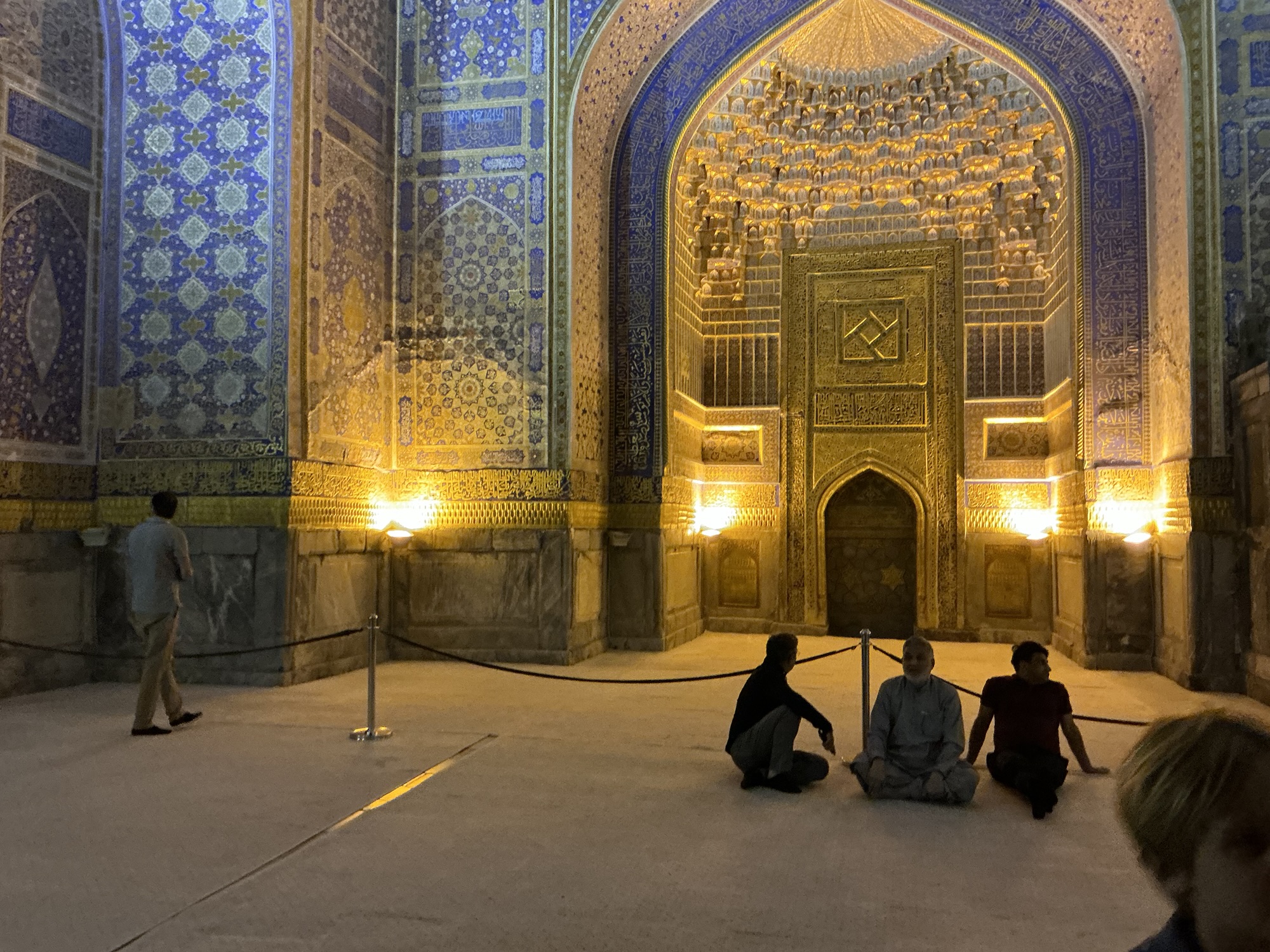 The World Bank projects a sharp demographic shift across Europe and Central Asia, with Uzbekistan and Tajikistan set to see major workforce expansion by mid-century while the wider region grapples with labour shortages.
In its latest Jobs and Prosperity report, the World Bank forecasts that Uzbekistan’s working-age population will increase by around 10M people by 2050, and Tajikistan’s by 3.6M. In contrast, other countries across Europe and Central Asia are expected to lose a combined 17M workers over the same period, a trend that could reshape regional labour markets.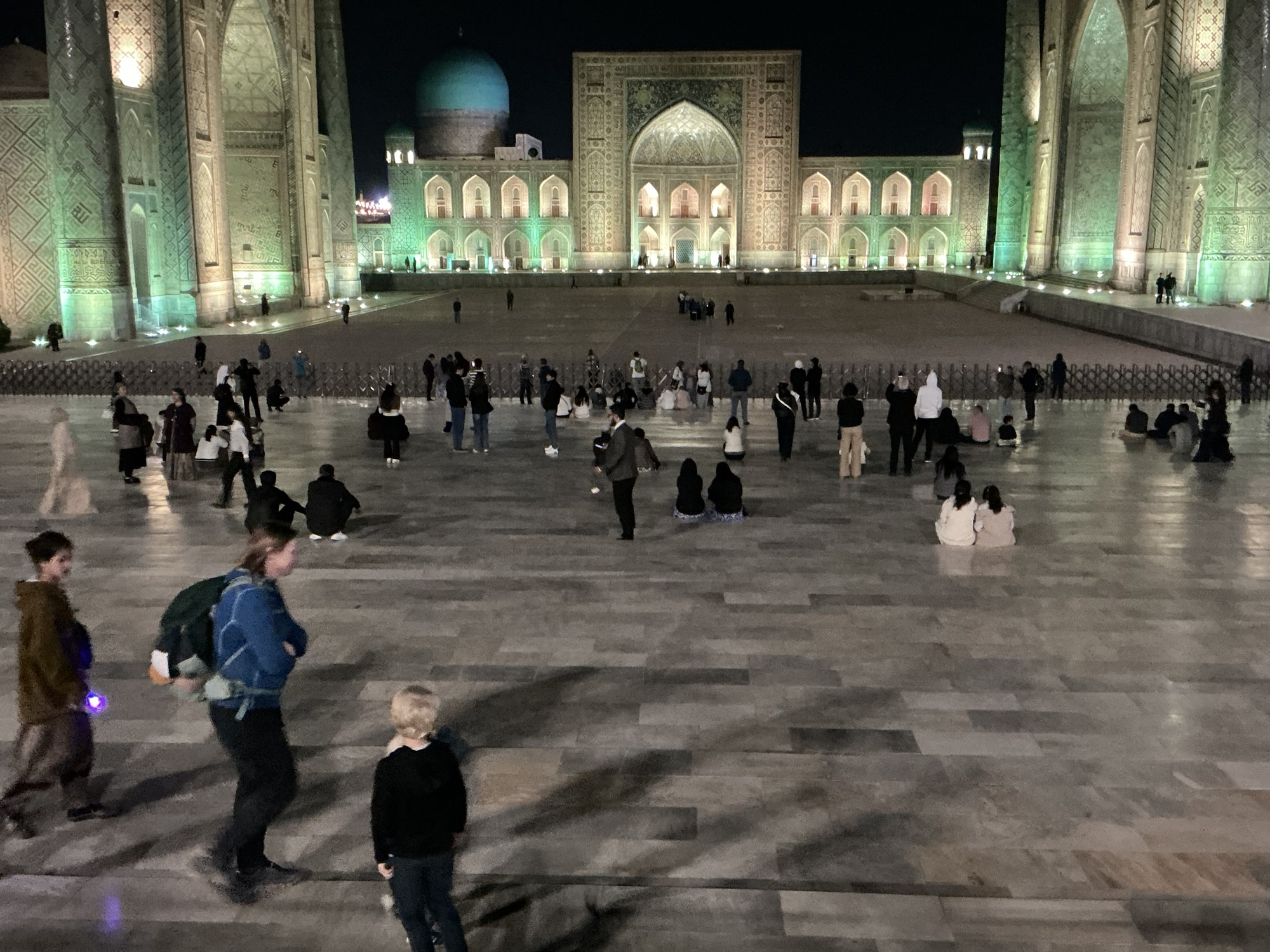
The report warns policymakers to prepare for these diverging trends. For countries facing population decline, the shrinking labour force could threaten productivity and growth. Meanwhile, for Uzbekistan and its neighbours, expanding workforces will require new jobs and improved conditions to prevent unemployment and migration pressures.
The World Bank stresses that addressing these challenges will demand stronger private sector engagement, backed by significant investment inflows. It also calls for business environment reforms and mobilisation of private capital to sustain inclusive economic grow
BREAKING:
Trump to withdraw US from UNESCO over anti-Israel bias and DEI policies. pic.twitter.com/lm6AYHrUON
— Globe Eye News (@GlobeEyeNews) July 22, 2025
https://platform.twitter.com/widgets.js
The US has said it will leave the United Nations’ culture and education agency Unesco, accusing it of supporting “woke, divisive cultural and social causes”.
Unesco’s Director General Audrey Azoulay described the decision as “regrettable” but “anticipated”.
The move is the latest step in the Trump administration’s efforts to cut ties with international bodies, after removing the US from the World Health Organization and Paris Climate Agreement, as well as cutting funding for foreign relief efforts.
Unesco has 194 member states around the world, and is best known for listing world heritage sites. The US’ decision will take effect from December 2026.
Next year will be the last one supported by the U.S. funds, from 2027 UNESCO due to the American decision will lose 22% of its budgt.

 EUROPE DIPLOMATIC